
Spring Fling or Spring Sting? Top 5 Hazards for Your Dog This Season

Updated: Apr 17
As the frost thaws and the cherry blossoms begin to bloom here in the Pacific Northwest, we are all eager to get back outside. However, for dog guardians—and especially those with curious new puppies—springtime isn't just about fresh air; it’s about navigating a new set of seasonal hazards.
At Pied Piper’s Dog Training, we believe that safety starts with communication and being proactive by practicing safety cues in a safe environment so that we can rely on them when we need them.
1. The "Hidden" Garden Toxins

We all love a beautiful garden, but many spring favorites are toxic to dogs. Bulbs like tulips,
hyacinths, and daffodils are highly concentrated with toxins; if your puppy loves to dig, a single bulb can cause severe gastrointestinal upset or even heart issues.
Furthermore, be wary of cocoa mulch. While it smells delicious to us (and even better to dogs), it contains theobromine—the same chemical that makes chocolate toxic.
2. Thawing Parasites: Ticks and Fleas
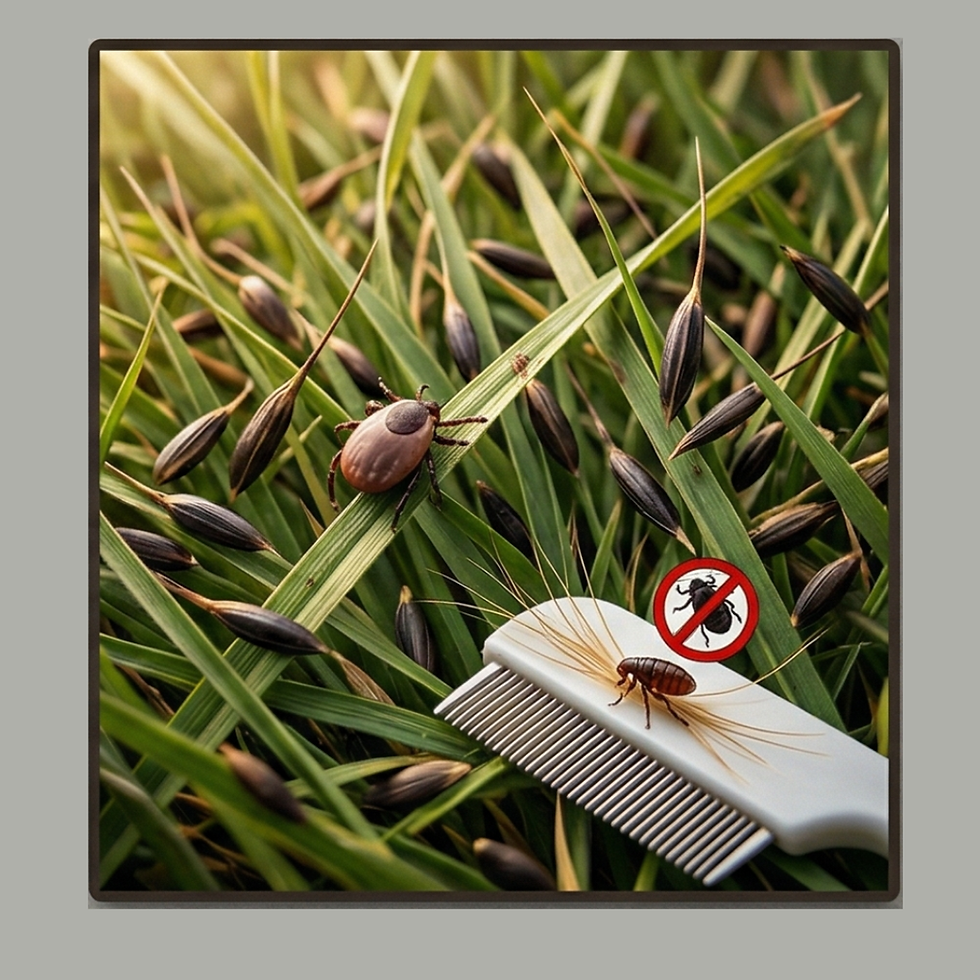
Ticks don’t wait for summer; they become active as soon as the temperature stays above 45°F. With the damp, mild spring weather on Bainbridge Island and across Kitsap County, tall grasses become prime real estate for ticks looking for a host. Ensure your dog is on a veterinarian-recommended preventative before you hit the trails.
3. "Spring Cleaning" Chemicals
Whether you are scrubbing the patio or fertilizing the lawn, the chemicals we use in the spring can be caustic. Lawn fertilizers, weed killers, and even "pet-safe" ice melts that are being cleaned out of the garage can cause chemical burns on paw pads or internal poisoning if licked off later.
Pro-Tip: Always wipe your dog’s paws with a damp cloth after a walk in a landscaped area.
4. The Lure of Puddles (Leptospirosis)

Spring showers bring... standing water. While it’s tempting to let your dog grab a drink from a puddle, these can be breeding grounds for Leptospirosis. This bacteria is spread through the urine of wildlife (like the raccoons and deer common in our area) and can cause kidney or liver failure. Stick to the fresh water you carry in your travel bowl! Make sure that your pup is up to date on their vaccinations. (since lepto is a vaccine that they can and should get)
5. Seasonal Allergies and "Grass Seeds"
Just like humans, dogs get hay fever. Watch for excessive licking of paws, red eyes, or sneezing. Additionally, as the grass grows, watch out for foxtails or grass seeds. These barbed seeds can get stuck in a puppy's ear canal, between toes, or even inhaled, leading to painful infections and expensive vet visits.
Quick Reference: Spring Hazard Guide
Hazard | Common Source | Potential Symptom | Prevention Tip |
Toxic Plants | Tulip/Daffodil bulbs, Azaleas | Vomiting, drooling, lethargy | Use raised beds or supervise "diggers." |
Parasites | Tall grass, wooded trails | Visible ticks, itching, skin red | Year-round preventative medication. |
Garden Chemicals | Fertilizers, cocoa mulch | Seizures, tremors, vomiting | Wait 48 hours after lawn treatment to walk. |
Standing Water | Puddles, slow-moving creeks | Fever, increased thirst, jaundice | Carry a portable water bottle and bowl. |
Grass Seeds | Long, un-mown grass | Head shaking, limping, sneezing | Check paws and ears after every walk. |
Final Thoughts for the Month
Spring is a time of growth and renewed energy. By staying vigilant and maintaining a "leave it" cue (which we practice extensively in our classes!), you can ensure your dog enjoys the sunshine as much as you do.


Comments